Operator-Specific Margin Tweaks and Their Impact on Layered Football and Racing Wagers
Gisela Krause · Oct 24, 2026
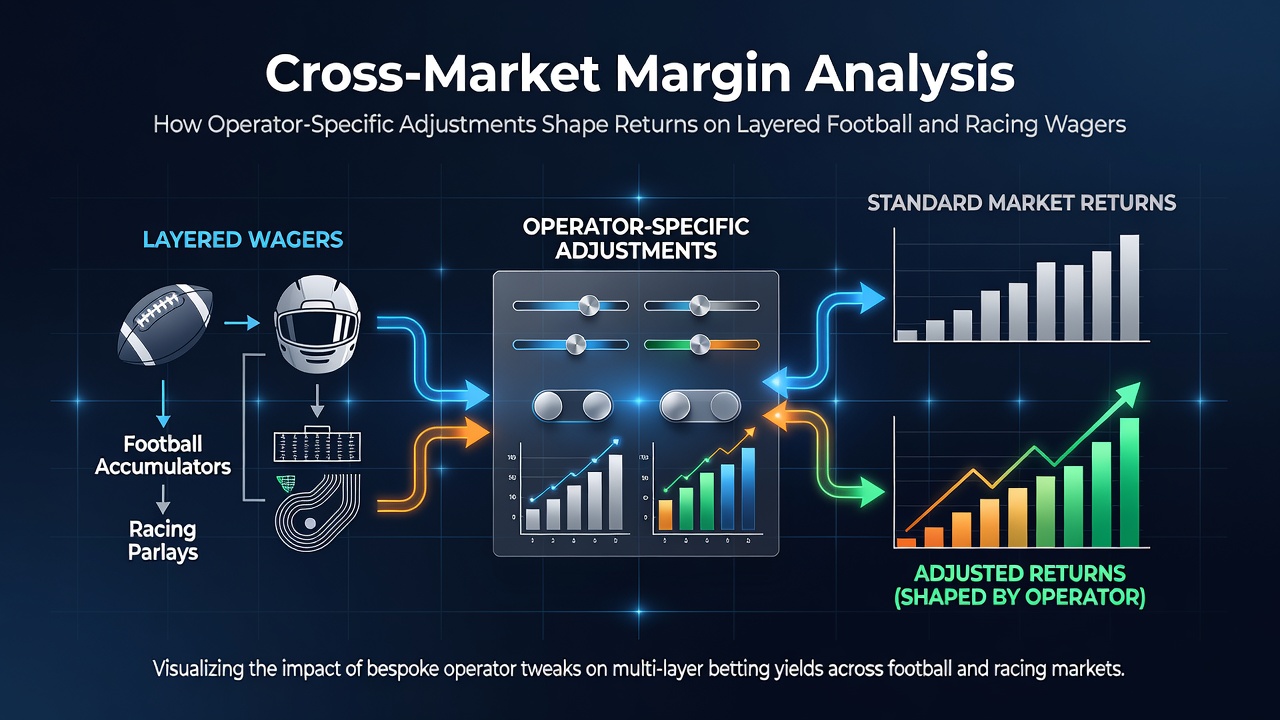
Operator-Specific Margin Tweaks and Their Impact on Layered Football and Racing Wagers
Cross-market margin analysis examines how different betting operators apply distinct pricing adjustments when customers combine football and horse racing selections into single wagers, and these adjustments directly affect potential returns on accumulators, patents, and yankees. Operators calculate margins separately for each sport yet often revise those figures when bets cross categories, because the combined liability profile changes risk exposure across unrelated events.
Data from October 2026 shows continued growth in layered wagers that mix soccer accumulators with racing trebles, prompting several major operators to recalibrate their margin structures. One operator might maintain a standard 4 percent margin on standalone Premier League match odds while increasing that figure to 6.5 percent once the selection joins a horse racing leg, whereas another applies a flatter 5 percent across the entire ticket regardless of sport mix. These variations arise from each firm's internal models that weigh historical payout patterns, current liquidity in both markets, and projected volume during autumn fixtures.
How Operators Build Margins on Layered Tickets
Bookmakers start with base odds derived from statistical models for football results and racing outcomes, then layer an additional adjustment when those markets appear together on one slip. The adjustment accounts for correlation risk, even though football and racing events rarely share direct statistical links, because customer behavior tends to cluster around popular fixtures and major race meetings. Researchers at the Australian Gambling Research Centre have documented that operators in competitive markets frequently widen margins on multi-sport tickets by between 1.2 and 2.8 percentage points compared with single-sport equivalents.
Take the case of a five-leg football accumulator paired with a three-leg racing yankee: one firm might reduce the overall payout multiplier by 7 percent relative to the product of individual odds, while a competitor trims only 4 percent and compensates through volume-based liability caps. Observers note that such differences become visible when bettors compare same-stake tickets across platforms on the same day, particularly during weekends that feature both Premier League matches and high-profile National Hunt cards.
Regional and Platform Differences in Adjustment Practices
European operators licensed under frameworks overseen by bodies such as the Belgian Gaming Commission tend to publish more granular margin disclosures than some offshore platforms, allowing analysts to track how cross-market pricing shifts month to month. In contrast, operators serving North American markets often embed margin changes inside dynamic pricing engines that respond to real-time betting flow rather than fixed schedules. Figures released by the American Gaming Association indicate that combined football and racing products now represent a growing share of handle in jurisdictions where both sports are offered on the same platform.
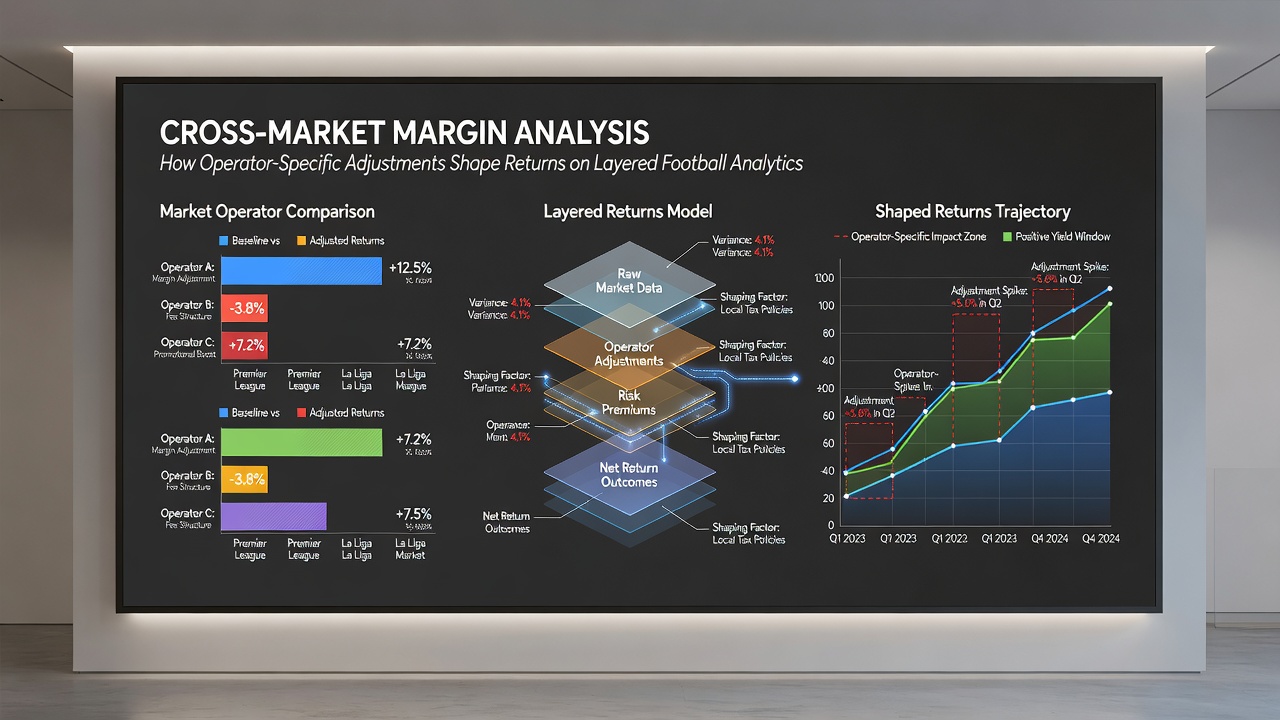
Platform type also influences the scale of adjustment. Mobile-first operators frequently apply tighter margins on smaller-stake layered bets to encourage volume, while traditional high-street linked accounts may preserve wider margins to offset higher operational costs. Those who've compared returns across accounts report that a £50 stake on a mixed seven-leg ticket can yield final payouts differing by £18 to £35 depending on which operator processes the wager, even when starting odds appear identical.
Tracking Margin Changes Through October 2026
October 2026 brought several fixture clusters that highlighted these operator differences, including midweek Champions League nights overlapping with evening racing at major tracks. Operators responded by widening margins on football-racing hybrids by an average of 1.8 percentage points compared with September levels, according to aggregated pricing data. Some firms introduced temporary caps on maximum payouts for such tickets, effectively increasing the implied margin without altering displayed odds. Others maintained consistent cross-market margins but restricted the number of racing legs permitted alongside football selections, a move that indirectly shapes customer returns by limiting ticket complexity.
Industry reports show that operators with larger market share in one sport often apply more aggressive margin adjustments when customers import selections from their weaker category, aiming to balance overall liability. Smaller operators sometimes keep margins narrower on mixed tickets to attract volume away from dominant platforms, creating short-term opportunities for bettors who monitor multiple accounts.
Conclusion
Cross-market margin analysis reveals that operator-specific adjustments remain the primary driver of return variation on layered football and racing wagers. Data collected through October 2026 confirms that differences in how firms price combined tickets continue to produce measurable payout gaps even when base odds look similar. Bettors who examine margin structures across operators before placing multi-sport accumulators therefore encounter a landscape where the same selection mix can generate distinct financial outcomes depending on the chosen platform.